

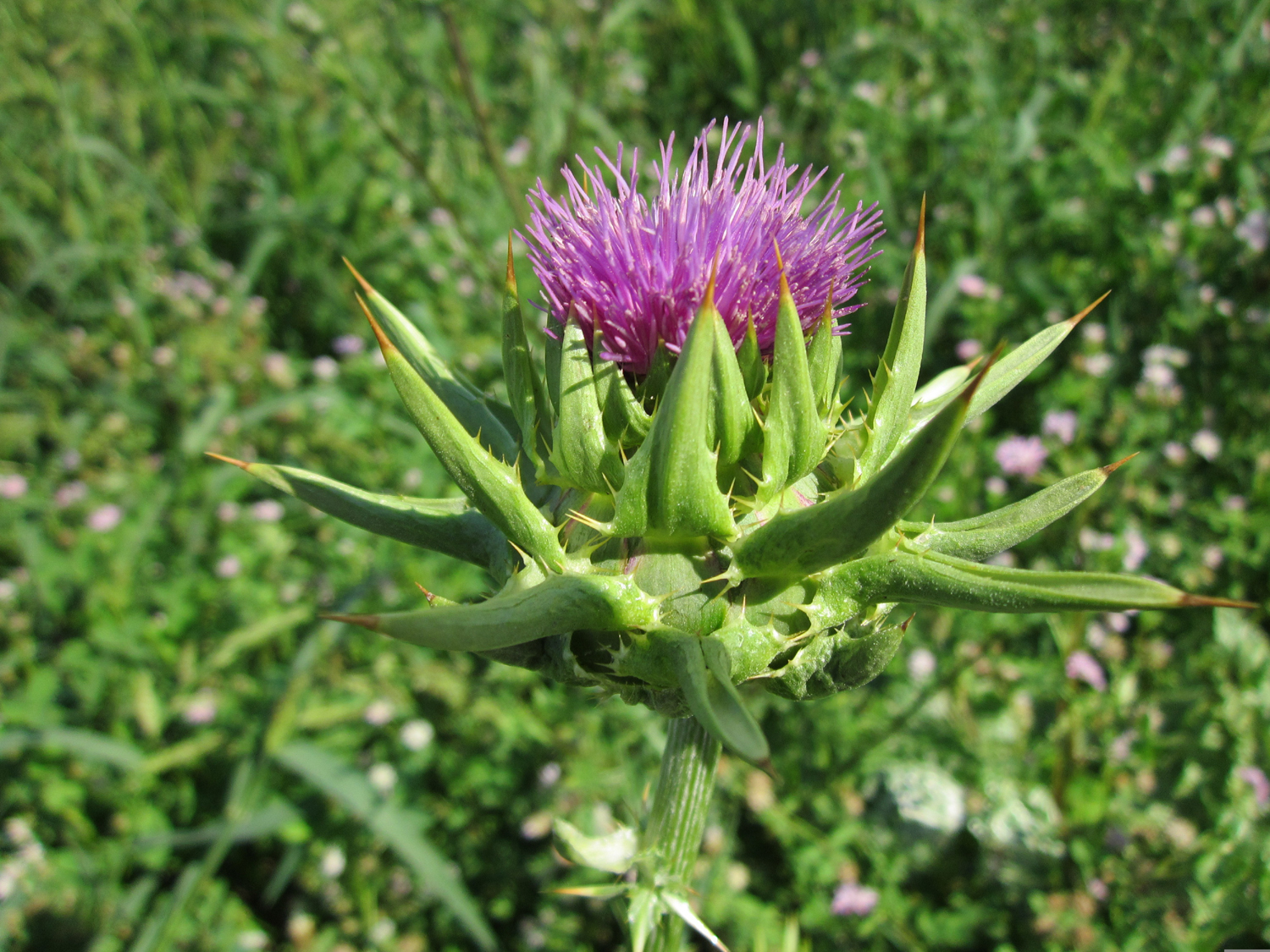
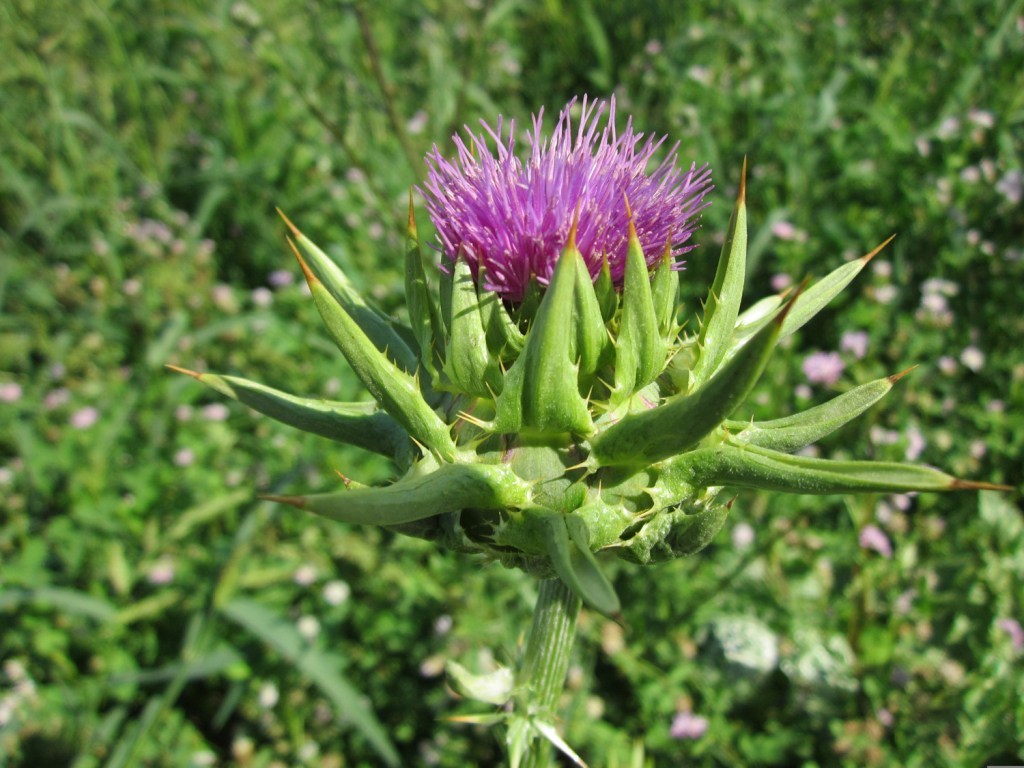
(Image by WikimediaImages from Pixabay)
Greetings! I have generated another AI podcast for you, sourced from three of my posts reviewing seven medicinal plants much used in Romania. In my posts, I have used a Reader’s Digest book—one that blends traditional medicine with science-confirmed results—as well as various scientifical studies with more recent research.
Henry: HappierHealthier.Blog is the kind of place where a book review becomes a deep dive into Romanian folk medicine, carotenoid biochemistry, and your grandmother’s caraway soup recipe — sometimes in the same paragraph.
Mara: Mira at HappierHealthier.Blog has been working through a Reader’s Digest herbal medicine compendium alongside her own research, covering seven plants traditionally used in Romania. Let’s start with the book itself and the plants it profiles.
Disclaimer: I am not a medical or health practitioner, and no part of This Blog, or the articles, websites, and products I mention and link to on This Blog, is intended as professional medical or health advice, and should not be considered as such. Consult with your doctor(s) about starting any course of treatment, taking any supplements, or changing any (dietary, exercise, etc.) routines. Note that natural supplements and even some foods may interfere with certain medications. Also ask your doctor(s) about potential allergies you may have, including cross-reactive allergies. Some allergens can cause potentially fatal anaphylaxis. Here are my Full Terms and Conditions.
Herbal Medicine Book Review: Seven Romanian Plants
Henry: The question at the center of this series is whether a decades-old popular herbal compendium still holds up — and what happens when you test its claims against current science.
Mara: The book in question is Nature’s Medicines: A Guide to Herbal Medicines and What They Can Do for You, a Romanian Reader’s Digest edition from 2007. Part 1 of the series sets up the stakes plainly: “it’s better to consume the whole package, not just an individual phytonutrient or another.”
Henry: That framing does a lot of work. It’s not a rejection of supplements — it’s a caution against concentrating any one compound out of the context that makes it useful [NB: it’s not only how they work together but also how they balance each other], which is a genuinely different argument than most wellness writing makes.
Mara: Part 1 opens with artichoke and milk thistle — both liver-supportive plants, both belonging to the aster family, both carrying precautions around gallbladder stones and blood sugar interactions. Silymarin from milk thistle gets particular attention for emerging anti-tumor research the 2007 book couldn’t have anticipated.
Henry: So the book is a starting point, not a finish line. Which is more or less what the series keeps demonstrating.
Mara: Part 2 moves to sea buckthorn and caraway. Sea buckthorn’s vitamin C content gets a gentle correction — the book claims ten times more than lemons, and the actual figure works out closer to seven and a half times — still impressive, but the precision matters.
Henry: Fact-checking a Reader’s Digest book with arithmetic. Honestly, that’s the review I didn’t know I needed.
Mara: Sea buckthorn also contains vitamin B12 — unusual for a plant food — because it lives in symbiosis with Frankia alni bacteria, confirmed by a 2015 study. Caraway, meanwhile, gets credit well beyond digestive aid: its volatile compounds carvone and limonene carry antibacterial, anti-inflammatory, and liver-supportive properties, and the seeds are rich in lutein and zeaxanthin for eye health.
Mara: Part 3 finishes the series with chicory, dog rose, and hawthorn. Chicory’s inulin content makes it a prebiotic standout; rose hips carry a striking antioxidant profile — vitamin C, anthocyanins, quercetin, galactolipids — with early cancer research attached; and hawthorn rounds things out as a cardiovascular tonic, with a firm note that it is not a substitute for a cardiologist.
Henry: The precautions thread running through all three parts is worth naming: blood thinners, blood sugar medications, pregnancy, pre-surgery windows. These plants are not inert.
Mara: That’s the consistent message across the series — the plants are genuinely useful, the book is a solid reference point, and neither replaces a conversation with your doctor. The series models exactly the kind of layered reading it recommends.
Henry: Which is a good way to think about any health information, herbal or otherwise.
Henry: Seven plants, three installments, one throughline: traditional knowledge is worth taking seriously, and seriously enough to verify.
Mara: Next time, more from HappierHealthier.Blog — same approach, different territory.
*
Thank you for your visit!
For much more info about each of these seven plants, here are the three blog posts with the three parts of the book review this AI-generated podcast is based on:
‘Nature’s Medicines’ Book Review, with Notes on 7 Medicinal Plants Commonly Used in Romania Part 1/3
‘Nature’s Medicines’ Book Review, with Notes on 7 Medicinal Plants Commonly Used in Romania Part 2/3
‘Nature’s Medicines’ Book Review, with Notes on 7 Medicinal Plants Commonly Used in Romania Part 3/3
As always, pins and shares are much appreciated!
To a happier, healthier life,
Mira
 HappierHealthier.Blog