

Intermittent fasting can be a boon for menopausal women, helping redress many body imbalances
Article originally published in Middle-Pause on Medium on March 27, 2026
Sometimes there are easy solutions to some of our problems, but we’re stuck in a rut and don’t change our ways, and then we wonder why our health, happiness, or both are failing.
Intermittent fasting can be the answer to many health problems
I thought intermittent fasting helps the body mainly through weight loss and autophagy. There’s much more to it.
Disclaimer: I am not a medical or health practitioner, and no part of This Blog, or the articles, websites, and products I mention and link to on This Blog, is intended as professional medical or health advice, and should not be considered as such. Consult with your doctor(s) about starting any course of treatment, taking any supplements, or changing any (dietary, exercise, etc.) routines. Note that natural supplements and even some foods may interfere with certain medications. Also ask your doctor(s) about potential allergies you may have, including cross-reactive allergies. Some allergens can cause potentially fatal anaphylaxis. Here are my Full Terms and Conditions.
Disclosure: This blog post contains some affiliate links. If you click on (any of) them and make a purchase, they generate revenue for this blog (at no extra cost to you!). As an Amazon Associate I earn from qualifying purchases. I am also a Zazzle Associate and designer, and I earn commissions when you buy products through my referral links. All affiliate links on this blog are identified as such. Here’s my Full Disclosure.
As neuroscientist Mark Mattson of Johns Hopkins School of Medicine notes, from an evolutionary perspective, we are not made to snack all the time, as many of us do today. Our body needs a respite of several hours between meals. Sometimes, he said, in the days before agriculture, we used to go for days without eating.
Compare this with how nowadays we tend to reach for food quite often, and for various reasons other than being hungry. We sometimes use meals to celebrate. On many occasions we may eat to forget our feelings. And then at other times we munch to brush away boredom. When this around-the-clock food consumption happens, our liver, pancreas, brain, and body don’t get a respite, and that’s how we not only put on weight, but also get a fatty liver and a foggy brain.
The latter is especially true for women approaching menopause, as Mary Claire Haver, MD, notes in her book The Galveston Diet: The Doctor-Developed, Patient-Proven Plan to Burn Fat and Tame Your Hormonal Symptoms. And, as I’m experiencing, dyslipidemia — high cholesterol and triglycerides, and nonalcoholic fatty liver disease (NAFLD)— is also a reality in the years leading up to menopause.
It so happens that intermittent fasting can help with dyslipidemia and other conditions, especially if we focus on eating anti-inflammatory foods. Dr. Haver, who is an OB-GYN, includes many tasty, rich recipes in The Galveston Diet for women who want to use food as medicine. She created her nutritional program specifically for women, to help them lose weight and reach hormonal balance in perimenopause and menopause.
Dr. Haver recommends women begin her diet with a macro ratio of 70% healthy fats, 20% lean protein, and 10% healthy carbs. Then, as their bodies adjust to burning fat, she advises dieters to modify those percentages to 40% fats, 20% protein, and 40% carbs for the long run. She also recommends 16:8 intermittent fasting.
Prof. Mattson notes that longer periods without food may be dangerous, and, in fact, even moderate intermittent fasting does not suit everybody. Consult with your doctor before changing any of your routines.
In any case, fasting for a day, two, or three, where you don’t eat anything and drink calorie-free drinks, can be counterproductive. Your body may think you’re going through a period of starvation and begin to put on fat when you do eat, rather than burn fat. Also, Dr. Mattson comments that when doing intermittent fasting, the body usually needs a period of adjustment of two to four weeks.
Intermittent fasting (IF) does so much more than help you lose weight. But, before I launch into this discussion, please note that IF is not recommended for everyone, particularly if you’re diabetic, pregnant, breastfeeding, or have had a history of eating disorders.
Warnings aside, IF can help the body in many ways. Here are ten of its other health benefits.
(1) Most importantly, IF helps lower inflammation in your body.
Inflammation is a response of the immune system, which is beneficial when the inflammation is acute — when you have an injury, an infection, or an allergy — but damaging when it becomes chronic and attacks tissues. In the latter case, it leads to cardiovascular problems, arthritis, and other illnesses, including cancer.
(2) Did you know, though, that IF can help with mild hypertension too?
After only three weeks of IF, my systolic blood pressure went down by up to ten points. It’s now in the 120s. I thought this was the result of more exercise, but apparently IF helps with this too, especially if you have your dinner before 6 p.m.
(3) IF also helps fight oxidative stress, which leads to cardiovascular disease and even cancer. This health benefit, too, is stronger if you finish eating for the day before 6 p.m.
(4) While IF can be dangerous for diabetics, IF does give the pancreas a chance to rest from producing insulin (when we eat, our glucose rises and the body needs insulin to take this blood sugar to tissues) and improves insulin sensitivity. As for blood sugar levels, they may be raised or lowered by IF.
If you experience shakiness, dizziness, and a faster pulse during IF, or otherwise feel weak from hypoglycemia or other conditions, talk to your doctor. And even if you don’t get low blood sugar, it’s good to take a few preventative measures: drink enough water, don’t exercise while you’re hungry, and eat complex carbs for your first meal of the day.
(5) IF may or may not decrease “bad” LDL cholesterol, but a 2015 study — on primarily female patients of 47.7 mean age — has shown that if you lose up to 5–10% of your weight, that will significantly reduce your LDL cholesterol and triglycerides.
The British Heart Foundation notes that you will see better bloodwork results in about a month or two after losing the weight. They also remind readers that moderate exercise, a minimum of 150 minutes per week, is important.
(6) IF leads to a strong immune system by promoting autophagy, the “self-eating” cell-cleansing process. Autophagy, which declines with age, cleans the cells of damaged components and, as such, promotes healthy longevity. It can prevent illnesses that frequently attack the body later in life, such as cancer or neurological conditions (autophagy also fights off the accumulation of toxic proteins in the brain, which leads to diseases like Alzheimer’s).
Autophagy helps with metabolic conditions as well, given that these, too, tend to worsen later in life, such as type 2 diabetes and NAFLD.
Autophagy is triggered after 12–16 hours of fasting and reaches peak levels at 48 hours. That may sound good, but again, consult with your doctor before attempting prolonged intermittent fasting or even moderate IF.
Note that exercise also triggers autophagy in a major way that helps the liver, pancreas, brain, skeletal muscle, and adipose tissue, among others.
(7) Through autophagy, IF also helps repair the gut lining, fights off pathogens, and helps immune system cells that interact with gut bacteria. IF also promotes robust gastrointestinal motility and helps prevent gastrointestinal cancers, among other gut health benefits.
(8) IF also helps mitochondria, organelles that help cells produce energy through cellular respiration, which breaks down nutrients to create adenosine triphosphate. Improved mitochondrial function helps fight off neurodegeneration, among other things. You will also feel more energetic, as Dr. Haver of the Galveston Diet notes.
(9) IF also helps you age better.
When organelles make energy, mitochondria cause oxidative damage. Mitochondria are also involved in other processes, including some that lead to apoptosis (cell death). As such, when they’re damaged, these organelles contribute to illnesses, and when they function well, they help the body toward healthy longevity. Of the nine markers of aging — among them epigenetic modifications, telomere reduction, and chronic inflammation — proposed by López-Otín and other researchers in 2013, mitochondria appear to be the most consequential factor, significantly affecting all these processes.
(10) IF helps increase levels of the brain-derived neurotrophic factor (BDNF), which stimulates neurogenesis and synaptic plasticity (the growth of new neurons and the strengthening of connections between neurons). In doing so, it helps cognitive function, particularly memory and learning, and helps fight off depression and neurodegenerative diseases such as Alzheimer’s, Parkinson’s, and multiple sclerosis.
IF also leads to hunger-induced alertness by increasing orexin-A levels during wake hours. Orexin-A is a neurotransmitter that augments cognitive focus. Also because of IF, levels of this neurotransmitter are lower at night, which helps promote a more restful sleep — after a while, since at first the body may be jolted by the increase in cortisol.
The ketones produced in the liver after 12–16 hours of fasting, when the liver “burns” fat for energy, also improve mental function — for instance, when cognitive performance is impaired by insulin resistance, as shown by a study on mice.
Please note, however, that ketoacidosis, a build-up of acid in the blood that can be triggered by ketogenesis, is very dangerous, and it especially affects people with type 1 and type 2 diabetes.
But, if your body doesn’t trigger ketoacidosis as part of 18:6 intermittent fasting, ketosis can be a boon, especially if you’re a woman who struggles with brain fog as part of menopause. As Dr. Haver emphasizes in The Galveston Diet, IF can clear away brain fog.
These are just some of the most studied health benefits of intermittent fasting. But the list doesn’t stop here. IF can also help with polycystic ovary syndrome and, along with healthy foods such as vegetables rich in antioxidants, fatty fish, and yogurt and other probiotic foods, may help the body regulate its hormones better at menopause, as Dr. Haver notes in The Galveston Diet.
(11) And, as it often happens, IF also leads to weight loss.
I hope this article has helped you get a better idea of intermittent fasting. I’ve done it now and then, and after a while, I got used to the hunger pains and enjoyed feeling better in my body for many of the reasons described above. This year I lost 7 kilos (approx. 15 pounds) in 10 days with intermittent fasting and exercise, and during that period I felt energetic and motivated not only to lose weight, but also to improve my health at almost fifty, in a way that a healthy diet and minimal exercise can’t do after a certain age.
Have you tried intermittent fasting? How has it helped you?
If you’re interested in tasty recipes to revitalize your body as you do intermittent fasting, you can use Dr. Haver’s recipes from The Galveston Diet. But if you want something leaner and focused on nutrients proven to help reverse biological age, I recommend the ones in Dr. Kara Fitzgerald’s book, Younger You: Reduce Your Bio Age and Live Longer, Better. Here’s a review of that book.
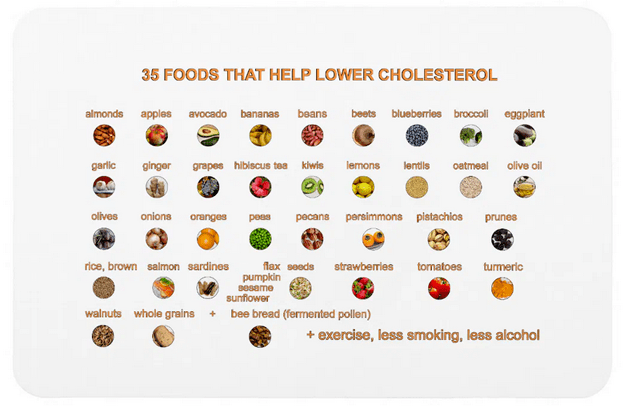
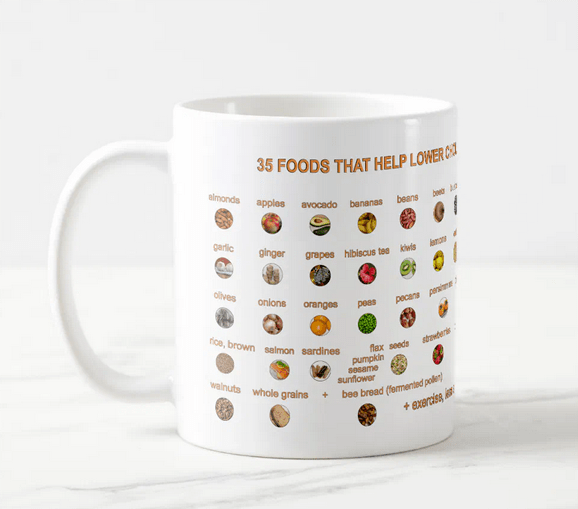
For more health inspiration, here’s are some fridge magnets and mugs I’ve created with foods that may help lower cholesterol and high blood pressure.
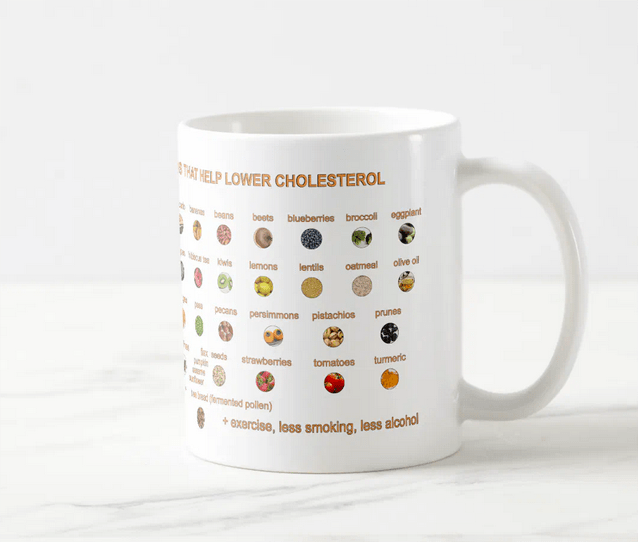
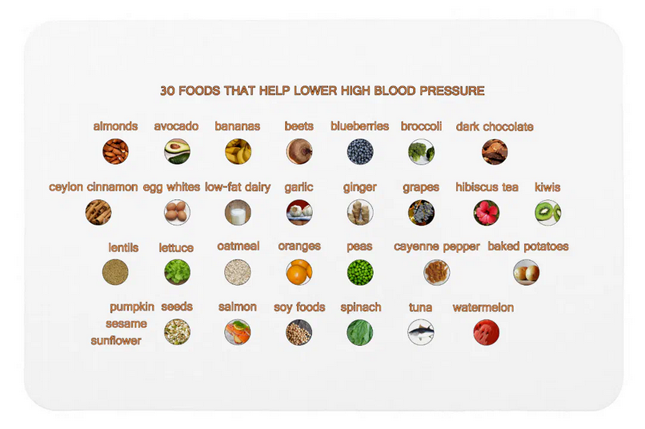
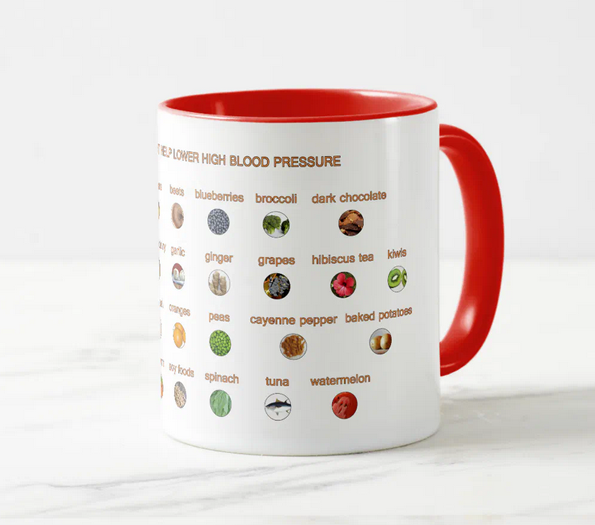
Thank you for reading! I hope this article has helped you sone. As always, pins and shares are much appreciated!
To a happier, healthier life,
Mira


1 Comment