

Another AI-generated podcast that digests some of my writing. It’s good but only as a brief intro to my posts on Dr. Kara Fitzgerald’s book on reversing biological age, Younger You, which I highly recommend you read yourself.
*
Henry: HappierHealthier.Blog is the kind of place where you learn that your DNA has an opinion about your breakfast choices, and it is not keeping quiet about it.
Mara: Mira at HappierHealthier.Blog has been deep in Dr. Kara Fitzgerald’s book Younger You, and the territory we’re covering today is DNA methylation — what it is, what it eats [sic], and whether you can actually dial back your biological age through food and lifestyle.
Disclaimer: I am not a medical or health practitioner, and no part of This Blog, or the articles, websites, and products I mention and link to on This Blog, is intended as professional medical or health advice, and should not be considered as such. Consult with your doctor(s) about starting any course of treatment, taking any supplements, or changing any (dietary, exercise, etc.) routines. Note that natural supplements and even some foods may interfere with certain medications. Also ask your doctor(s) about potential allergies you may have, including cross-reactive allergies. Some allergens can cause potentially fatal anaphylaxis. Here are my Full Terms and Conditions.
Henry: Let’s start with what the science actually says and what the diet looks like in practice.
DNA Methylation, Diet, and Reversing Your Biological Age
Mara: The central claim of Younger You is that biological age is not fixed — that diet and lifestyle choices directly influence DNA methylation, the process that switches genes on or off, and that getting this right can measurably reverse how old your body acts.
Henry: Part 1 of the review lays the conceptual groundwork, and the author’s analogy for why genes alone don’t determine your fate is worth sitting with. As the review puts it, Dr. Fitzgerald says expecting so much power from one’s genes “is similar to looking at an old newspaper, one from the day of your conception, and assuming it describes today’s events.”
Mara: So the upshot is that your genome is the starting point, not the whole story — and what you eat, how you sleep, and how much you move are actively rewriting the script. That’s what makes the clinical trial result in Part 2 so striking: thirty-eight healthy men, eight weeks on the Younger You Intensive program, and a measured decrease of 3.23 years in biological age.
Henry: Healthy men with good habits already, which makes the number more interesting, not less.
Mara: Exactly — and Dr. Fitzgerald notes the effect would likely be larger in less-than-healthy participants, though an epigeneticist she cites adds that people with chronic illness may need more time. Part 3 gets into the practical structure: the plan runs on methyl donors, DNA methylation adaptogens, and lifestyle changes. The primary methyl donors are folate and B12, which together produce SAMe. Adaptogens include curcumin, EGCG, quercetin, and lycopene.
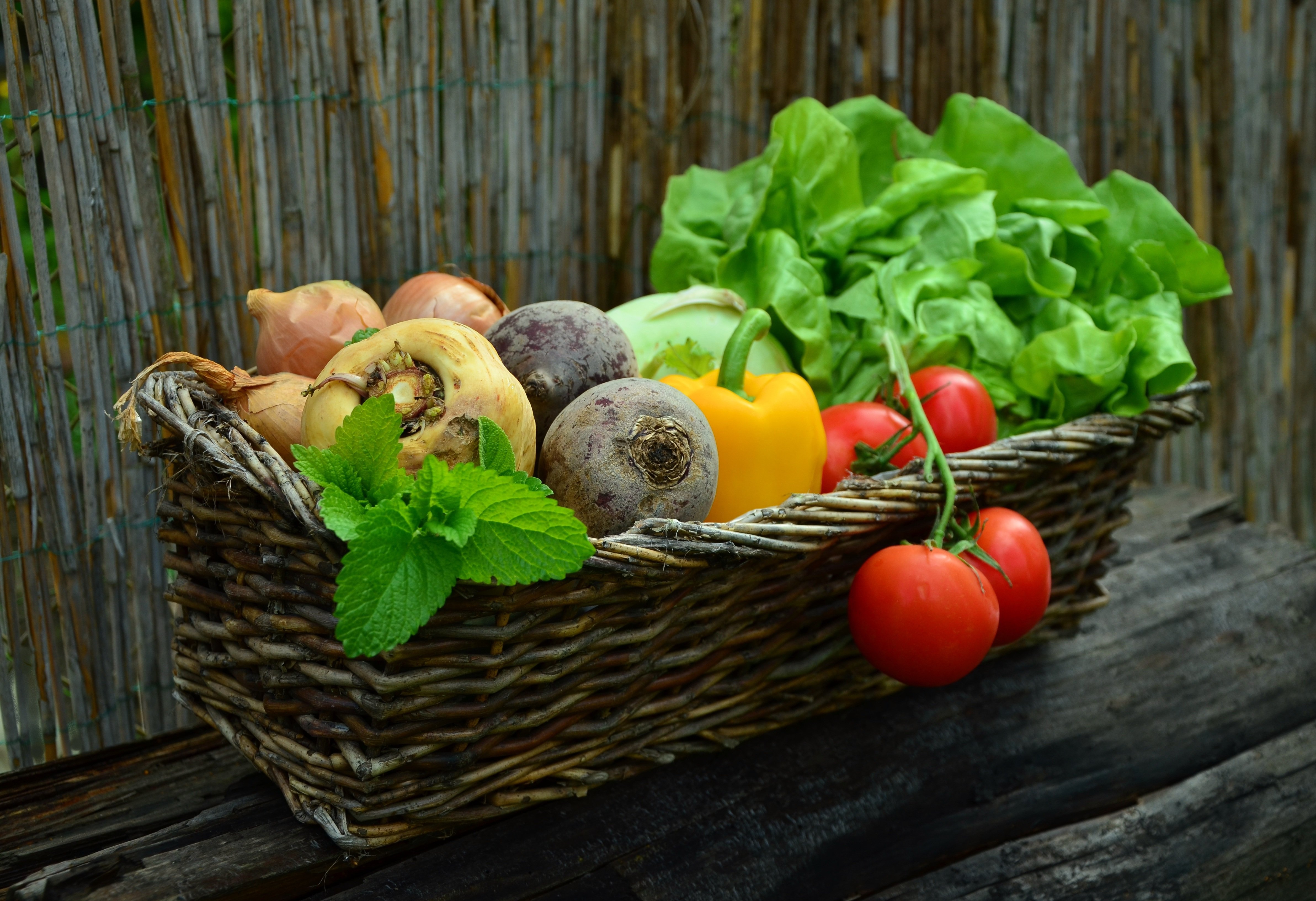
Henry: What this gets the listener is a shopping list that looks a lot like a farmers market haul — the Dynamic Dozen superfoods include green tea, turmeric, blueberries, cruciferous vegetables, eggs, salmon, and beets, among others.
Mara: The Intensive plan calls for seven cups of vegetables a day, which the review flags as a lot — and it is — but Part 3 notes the book offers practical tips: smoothies, hearty soups, omelets. The review also raises some real caveats, including that maple syrup on the Everyday plan carries meaningful manganese levels, and that the book may be too dismissive of risks from food excess.
Henry: The lifestyle side is genuinely modest — brisk walking counts, ten to twenty minutes of meditation twice a day, enough sleep, and cuddling, which Part 2 confirms is not a throwaway recommendation but has measurable epigenetic backing.
Mara: And the review across all three parts is clear that you can take ideas from this book without committing to either plan wholesale — the author herself did exactly that, adjusting her own diet incrementally and losing seven kilograms in under two months.
Henry: At 684 pages, there is a lot of book to selectively mine — and apparently the recipes alone justify the cover price.
Mara: That’s the closing note of Part 3: the recipes are described as genuinely delicious, from a Salmon and Spinach Omelet to a Red Lentil and Tempeh Curry, all built around the same epigenetic principles the science sections lay out.
Henry: Food as information — turns out your DNA has been waiting for the turmeric.
Mara: The throughline here is that biological age is more malleable than most people assume, and that the levers are largely dietary and behavioral.
Henry: Which means the next meal is, technically, an epigenetic intervention. We’ll be back with more from HappierHealthier.Blog soon.
*
Thank you for your visit! I hope you’ve enjoyed this podcast. Dr. Kara Fitzgerald’s Younger You is a book filled to the brim with great diet and lifestyle suggestions. Read my actual review here.
As always, pins and shares are much appreciated!
To a happier, healthier life,
Mira

