

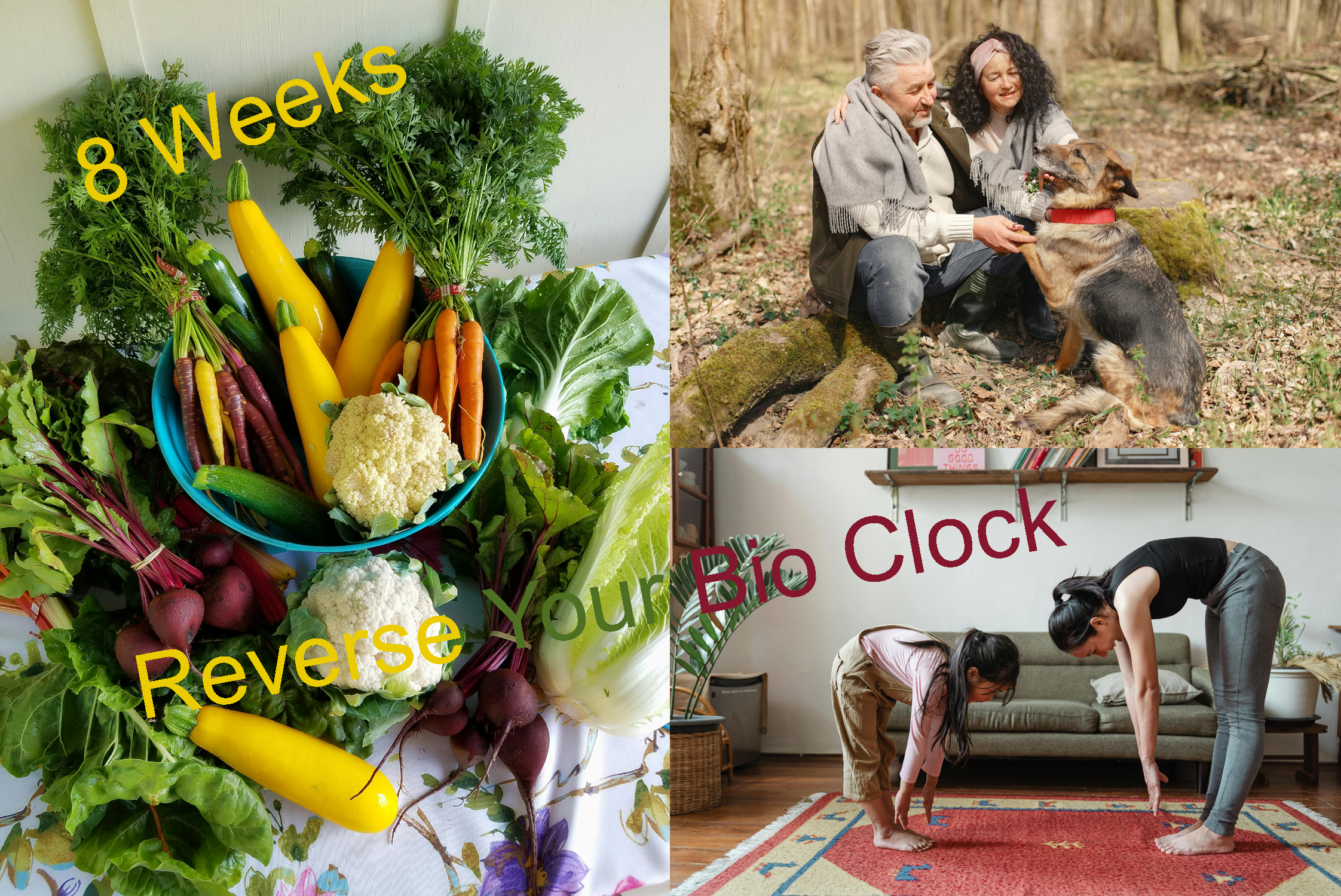

The basics of DNA methylation, the foods that promote it, and how you can get younger and healthier with the Younger You Intensive and Everyday diet and lifestyle plans.
Part 3/3
Originally published in The Road to Wellness on Medium on March 21, 2024
Based on scientific findings and one very successful clinical trial, along with Dr. Kara Fitzgerald’s work at a clinic, Younger You: Reduce Your Bio Age and Live Longer, Better (Hachette Go, 2022) offers the reader not only some preformed diet and lifestyle solutions to reverse bio age and enjoy health for longer but also some great ideas.
The Younger You plan has three core elements: methyl donors (which, metabolized, contribute to DNA methylation), DNA methylation adaptogens (which help to regulate DNA methylation), and lifestyle (healthy habits that also lead to balanced DNA methylation). Where Dr. Fitzgerald’s plan differs from that of her functional medicine forebears, such as two-time Nobel winner Linus Pauling, Ph.D., and Bruce Ames, Ph.D., professor emeritus of biochemistry and molecular biology at the University of California, Berkeley, is, among other things, in leaning on moderate amounts of a large range of nutrients to the job other practicians of orthomolecular medicine tried to achieve with single vitamins, minerals, or other nutrients, or with a few of them, as they targeted certain conditions. In contrast, Dr. Fitzgerald aims to balance the body even better and strengthen it in the face of disease — in a safe way, she says — by reversing bio age. She calls her approach orthomolecular nutrition, and in some instances, she works with her patients using whole foods — and lifestyle changes — only. Whole foods have the advantage of delivering lower doses of nutrients repeatedly and in combination, which turns up their power.
She argues repeatedly that methyl donors in the form of supplements may do harm, which does, indeed, happen, but I feel she’s too cavalier about the fact that eating too much of a certain food is risk-free. Maple syrup, allowed on the Younger You Everyday plan, contains relatively high levels of manganese, which can overload the liver, and even something as healthy as yerba maté can lead to lung cancer and other types of cancers if consumed excessively. And then there’s the whole question of oxalates, which may be quite a problem for some people.
As befits a book that gives so much hope regarding one’s biological age, there’s also a discussion about various approaches to prolonging longevity, whether by restricting calories (which may not be such a good idea after all), intermittent fasting on five days out of seven for three months or longer, and the Mediterranean diet, which is healthy but takes longer to achieve less in terms of reversing bio age.
As I mentioned before, the Younger You plans focus on methyl donors, DNA methylation adaptogens, and lifestyle.
The most important methyl donors are folate (vitamin B9) and vitamin B12, which are the primary elements that make S-adenosylmethionine (SAMe). Other significant methyl donors are betaine and choline, and then a few minerals (zinc, magnesium, potassium, and sulfur), some B vitamins and amino acids, and omega-3 fatty acids.
DNA methylation adaptogens help the body balance DNA methylation, so it happens in the right amounts at the right spots. They include flavonoids like curcumin, EGCG, quercetin, and lycopene, among the better-known ones, along with vitamins A, C, and D3.
The book includes a list of all these two types of nutrients and associated foods.
You also need to be mindful of leading a healthy lifestyle with enough restful sleep, moderate exercise, and relaxation practices (which include meditation, yoga, music for stress relief, play activities, etc.).
To determine biological age in her pilot study, the author used Prof. Steve Horvath’s findings, published in 2013: the Horvath DNAmAge clock. It’s not the only epigenetic clock around but the only one so far that looks at bio age vs. chronological age. Fitzgerald also includes two rather helpful self-assessment questionnaires. There are also blood tests you may want to do before starting her program and after; she includes a list of those, together with the standard and optimal ranges for each test. Most of them are part of routine annual bloodwork but she recommends you do them before starting the Younger You plan, and then after eight weeks of changed diet and lifestyle — and then twice a year.
The diet in the Younger You Intensive plan is a Paleo, anti-inflammatory, lower-carb, low-glycemic, and high-fiber, relying mostly on vegetables — seven cups a day —with the addition of healthy fats and moderate protein, including animal protein, preferably organic. There is some fruit — two half cups a day — but unless you’re vegetarian or vegan, no legumes. The plan includes no grains, no dairy, and no gluten, and it does include teaspoons of herbs, nuts (except peanuts), seeds or seed butter, tea, coffee, and cocoa powder. There are menu plans with truly delicious and inspiring recipes, or you can simply eat the prescribed amounts of the various foods she lists. You get three meals and two snacks a day, and you should keep a 12-hour fasting window between evening and morning.
Dr. Fitzgerald created the Younger You Intensive plan as a diet that is best kept once or twice a year, if not continuously. For the remaining time, there’s the Younger You Everyday plan, which includes legumes, whole grains (preferably gluten-free and not fortified with folic acid — the author discusses this issue in her book), and organic dairy. You can also eat certain sweet foods like dates and maple syrup and drink small amounts of alcohol. In contrast to the Intensive diet, the Everyday diet includes, among other things, only 4–5 cups of vegetables a day, one to two half cups of legumes — best soaked or soaked and sprouted —and only 3 tablespoons of healthy fats compared to more than five of them on the Intensive plan, and then one daily cup of grains and up to two daily servings of dairy, and three beets per week instead of the rather excessive-sounding amount of one or two medium beets per day, but the author cautions that this more relaxed approach may not reverse aging but only slow it down.
The author recommends twelve superfoods — she calls them the Dynamic Dozen — and explains their health benefits while also listing alternative foodstuffs with similar properties. These twelve superfoods are green tea, turmeric, blueberries, rosemary, cruciferous vegetables, beets, eggs, organic liver, seeds, salmon, shiitake mushrooms, and spinach. Consult the book for the amounts recommended by Dr. Fitzgerald. They may or may not work for you, but at the very least, they can give you some pointers and some ideas to think about. I personally think she is pushing too much some of these foods. Liver, for instance, contains not only a lot of iron but also a lot of vitamin A, and other doctors and nutritionists recommend not more than one liver meal per week.
Other than this Dynamic Dozen, the Younger You plans include a wealth of foods, so it looks like they can be quite pleasant. I’ve taken inspiration from them and tweaked my own diet accordingly, so you can definitely read this book that way, too, to learn some great ideas and advice about nutrition and to change your diet so it’s healthier and better suited to create positive epigenetic changes. But if you decide to do the Younger You Intensive or Everyday plan, that shouldn’t be too hard.
Besides, it makes more sense to eat delicious meals with more ingredients — if you’re not much into cooking, you may just develop a taste for it, one that would help you eat healthier in the future as well. Another thing that this plan has going for it is that you won’t be hungry for eight weeks, the way you may be on the many diet plans I’ve read so far from various friends and acquaintances. I’ve never cared for them, but I do like Dr. Fitzgerald’s ideas — there’s a plethora of them in the book! — and recommendations quite a lot.
Seven cups of veggies sounds like a lot, and it is a lot, but the author helps you make it manageable but sharing very useful tips on how to consume more veggies throughout the day without much hassle. You can include them in smoothies, make very hearty soups, roast them, or make amazing omelets. I’ve tried the latter with onions, garlic, and spinach, and it is quite a treat. Now I have to make more smoothies with vegetables. While I do eat green veggies weekly, I’m not a fan of green smoothies because of oxalates, but there’s a way to make veggie smoothies with certain veggies like cucumbers, zucchini, butternut squash, and avocado, along with a little bit of green veggies like kale and spinach, so I’ll try that.
The author cautions would-be adoptees of the Younger You Intensive diet against its propensity to cause gallstones or other digestive problems to those who’ve had their gallbladder removed, as well as to the fact that this diet is high in oxalates, which may cause kidney stones and other problems in some individuals. She also warns against possible side effects, like fatigue or digestive problems, as the body adjusts to healthier eating and living.
As a side note, the Younger You diet and lifestyle may also help those dealing with stress or struggling with generational or childhood trauma and stress.
The lifestyle changes Dr. Fitzgerald recommends are moderate and easy to implement: a little exercise (for Younger You Intensive, a minimum of five weekly sessions of thirty to sixty minutes each without working up too much of a sweat: walking briskly and working in your garden will do), enough restful sleep, meditation (for Younger You Intensive, ten to twenty minutes twice a day), and cuddling and other ways to boost oxytocin. The author comments and gives guidance for each of these components and mentions other activities, such as yoga and tai chi, that help with relaxation and the reversal of the biological clock. I feel a lot more emphasis should have been placed on time spent in nature, but there are other good books about that, so I didn’t miss much of those discussions in this one.
The author also devotes a chapter to supplements, which she believes sometimes can help, including the Younger You Intensive plan, if taken in moderation, especially if you don’t eat certain foods. I have my qualms about many of these recommendations, even as they do point to important research findings. As always, consult with your primary care physician or other medical doctors before changing your diet and lifestyle.
I haven’t commented on all the chapters in the book — she talks, for instance, about how to fight environmental toxins; about the importance of epigenetics through life and specifically pre-conception and during pregnancy; and about ways to help tumor-suppressor genes with the right foods and lifestyle — but I want to make sure I mention the recipes. People’s tastes vary widely when it comes to cooking, but to me, these recipes sound just wonderful. They also align with my kind of cooking as a thirty-plus and forty-plus adult as after reading about the health benefits of certain veggies, gluten-free flours, and legumes as well as spices like turmeric, ginger, cumin, etc., I started to use similar food and spice combinations.
The recipes in the book include Matcha Coconut Crunch (granola-like bars not just with matcha powder and shredded coconut but also with walnuts and pumpkin and sunflower seeds); Salmon and Spinach Omelet; Savory Onion and Chard Muffins (with almond and tapioca flours, dried rosemary, and pumpkin seeds, among other great ingredients); Herbal Epigenetic Dressing (with olive oil and MCT oil, lemon juice and zest, garlic, sunflower seeds, thyme, parsley, rosemary, and sage, and freshly ground black pepper); Red Cabbage, Beet, and Pomegranate Slaw; Spiced Butternut Squash and Red Lentil Soup; Luscious Liver Pâté; Fragrant Spiced Rice; Spiced Salmon Cakes with Vegetable Fries and an Avocado Mayonnaise (the salmon cakes made with Dijon mustard, turmeric, and sesame seeds, along with scallions, garlic, eggs, and other yummy ingredients); Red Lentil and Tempeh Curry (with turmeric, garlic, ginger, coriander, and cinnamon among the usual ingredients, along with tahini and other tasty choices); Epigenetic Chili; Cauliflower-Crust Pizza; and many more, including chocolate-based and other desserts.
This is truly a very informative and practical book. At 684 pages, it’s not a short one, either. It’s one of those super valuable popular science books on health and wellness that one doesn’t find very often.
Here are Part 1 and Part 2 if you missed them.
I hope you’ve enjoyed this review of Dr. Kara Fitzgerald’s book Younger You: Reduce Your Bio Age and Live Longer, Better.
To a happier, healthier life,
Mira
 HappierHealthier.Blog
2 Comments