


These two kinds of pasta you may not be aware of help protect against high blood pressure, high cholesterol and blood sugar, and more. All you have to do is make a quick dietary switch.
A version of this article was originally published in The Road to Wellness on Medium on May 8, 2023.
In today’s world, with much stress, less time for sleep and walks in nature, hurried meals, and increased food prices, hypertension has become more and more common, to the point where it now affects 1.3 billion people, a third of the globe’s adult population. And that’s adults of all ages. I’m not even considering the chances we have to reach a good old age with decent high blood pressure, although I’ve seen examples.
What to do then, to try to ward off this scourge?
Well, a recent (April 2023) study from China on 55,569 adults from the US monitored over 15 years has some remarkable conclusions. Remarkable because they point to foods that were previously ignored when it came to nutritional advice for people aiming to prevent high blood pressure naturally.
Disclaimer: I am not a medical or health practitioner, and no part of This Blog, or the articles, websites, and products I mention and link to on This Blog, is intended as professional medical or health advice, and should not be considered as such. Consult with your doctor(s) about starting any course of treatment, taking any supplements, or changing any (dietary, exercise, etc.) routines. Note that natural supplements and even some foods may interfere with certain medications. Also ask your doctor(s) about potential allergies you may have, including cross-reactive allergies. Some allergens can cause anaphylaxis. Here are my Full Terms and Conditions.
Disclosure: This blog post contains some affiliate links. If you click on (any of) them and make a purchase, they generate revenue for this blog (at no extra cost to you!). I am a Zazzle Associate and designer, and I earn commissions when you buy products through my referral links. All affiliate links on this blog are identified as such. Here’s my Full Disclosure.
Well, there are many foods that help with hypertension, along with magnesium supplements (in moderation) and herbal tea with the plant roselle, a.k.a. Hibiscus sabdariffa L. (be mindful of interactions, though, including with some medications for high blood pressure and diabetes), among a good number of things to be mindful of with regard to BP. I wrote about some of this in my article Natural Ways That May Help Lower High Blood Pressure.
Many of the thirty foods I previously looked at are there for their magnesium content, and others because they’re high in vitamin C, which by being a diuretic, removes excess water and salt from the body, thus helping blood vessels relax. (That said, it’s generally a good idea to drink enough water if you want to improve your blood pressure numbers.)
Then various phytonutrients, such as quercetin, have a role in lowering hypertension too. In fact, quercetin affects blood pressure through various mechanisms.
Onions are very high in quercetin. Some of the other sources are kale, tomatoes, and broccoli, and fruits like blueberries and other berries, apples, and cherries; then red grapes, citrus fruits, tea, etc.
Quercetin is very healthy, but supplements are (very) rarely a good idea. They overwhelm the body, and quercetin supplements, in particular, interact with various medications, including blood thinners, and may affect the kidneys, among others.
According to the afore-mentioned recent study from China (working with the data of a very large US sample: 55,569 adults), however, there’s hope in foods high in vitamins B9 (folate), B6, and B12 for people who want to prevent hypertension. In both men and women, this study has found the above B vitamins to be significantly associated with lower high blood pressure. These B vitamins lower the concentration of plasma homocysteine, in turn lowering the risk of cardiovascular diseases, including high blood pressure. Homocysteine is an amino acid that is broken down by these three B vitamins. Various factors, including thyroid disease, kidney disease, and medications, can cause homocysteine levels to rise. When this happens, it can lead to the hardening of artery walls (atherosclerosis) and even to blood clots.
Plasma homocysteine is, in fact, a risk factor for atherosclerotic vascular disease on a par with smoking and hyperlipidemia (high blood fats, such as cholesterol and triglycerides).
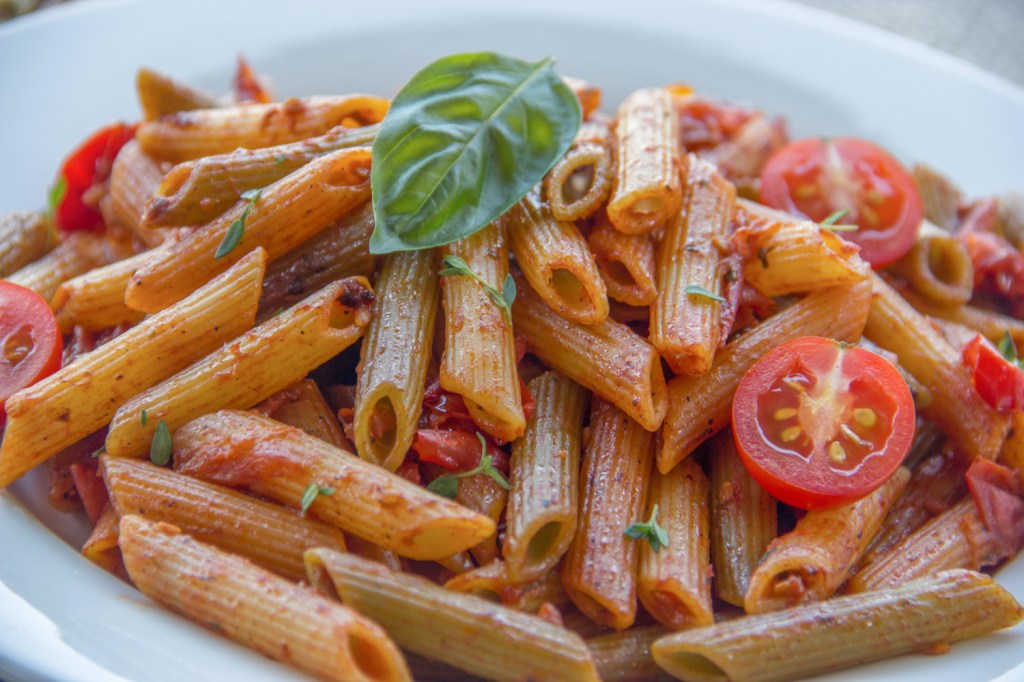
Lentils and chickpeas come to the forefront when it comes to folate (B9), and remember that there are quite a few options of gluten-free pasta with lentils and chickpeas on the market. These foods are also rich in soluble fiber, so they’re great for lowering cholesterol — and they help prevent diabetes as well.
Lentils have some vitamin B6, along with magnesium, and potassium, all of which are good for blood vessels and the heart.
Chickpeas have even more vitamin B6, magnesium, and potassium, and they have some calcium as well.
It’s so very easy to make this easy dietary change from wheat pasta to chickpea and lentil pasta, and the benefits you’ll reap are huge. I mentioned managing blood pressure, cholesterol, and blood sugar, but lentils and chickpeas are also rich in cancer-fighting polyphenols.
And you can go even further. You can buy chickpea flour, which is readily available, and use it in various doughs. I make a type of Romanian pizza myself (with broccoli) that doesn’t taste like pizza but is scrumptious, nevertheless. If you want to look at the recipe, here it is.
And you can also eat hummus, of course. Among these three sources of chickpeas (or garbanzo beans, as they’re also known) — the pasta, the flour, and the hummus — I eat this legume almost every single day!
A serving of chickpeas offers you more vitamin B6 than any other food (per serving). Fortified cereal, for instance, is much lower on the list, below beef liver, tuna, salmon, and chicken breast.
The good news is that there are some good and popular sources for vegetarians as well, besides garbanzo beans — among them, potatoes, bananas, and rice.
However, if you’re a vegetarian and want to get your DV of vitamin B6, your best bet is chickpeas — alongside other sources, of course.
Among its other functions, vitamin B6 also boosts the immune system and helps make serotonin, which is why I was drawn to chickpeas even before reading about all their health benefits. They simply make me feel good — better than I did this past summer when I skipped my favorite lentil and chickpea kinds of pasta and tried to make do without much cooking.
This B vitamin helps the brain in other ways as well, improving cognitive function and preventing cognitive decline. It’s harder than with other vitamins, but you can get all your B6 daily requirement from foods such as garbanzo beans, bananas, potatoes, and others.
As vegans may already know, B12 comes from animal products. It’s readily available if you eat dairy such as milk, yogurt, and cheese and is also present in good amounts in eggs. Other than that, close to the top of the list, salmon is a good bet. Tuna would be too, but it may come with a high mercury content, and then beef, also on the list, is not all that healthy (it’s a cancer risk, for one). And then, right at the top, you have beef liver, with an enormous amount (2,944 DV), cooked clams (708), and fortified nutritional yeast (346 to 1,000).
It appears that for the sake of our blood pressure, some dairy and eggs may be good news.
As regards the lentil and chickpea pasta, if you want to make the most of its health benefits, don’t load it with cheese. I often make mine just with tomato sauce (with or without veggies) and Thai red curry paste, and it’s superbly flavorful. It’s also ready in no time. I boil the pasta for 8 or 9 minutes, rinse it, boil the tomato sauce (rinsing the jar for some extra liquid) separately with red curry paste for a couple of minutes, mix the pasta and tomato sauce, and the meal is ready.
To make it more flavorful and healthier, you could sautée some chopped onion and ginger for a minute or two in olive oil (make sure the onion doesn’t turn brown), add some chopped or crushed garlic and sautée it for 30 seconds, and then add the tomato sauce and red curry paste, and boil everything for some 5 minutes. Then mix this sauce with the pasta and you have a delicious meal.
Of course, you can add veggies too if you want, but after trying these quick versions, I decided that I prefer them better. After all, the pasta is made of 100% legumes, and the tomato sauce covers the veggie requirement, and if you choose to add onion, garlic, and ginger, the pasta will tick more than a few healthy boxes. These days I prefer to have my veggies baked, for instance as part of a different dish where, yes, I do indulge in some light cheese.
This concludes my quick review of foods rich in vitamins B9 (folate), B6, and B12. If you want to review an older list of mine with thirty foods that help lower blood pressure, here’s my article mentioning those foods along with more general recommendations for people who are trying to reduce their prehypertension or stage 1 blood pressure.
Vegetables are always a good idea, including for high blood pressure. But there are also various other foods that help with hypertension. Here’s a rundown of thirty foods that help lower high blood pressure naturally: almonds, avocados, bananas, beets, blueberries, broccoli, dark chocolate, Ceylon cinnamon, egg whites, low-fat dairy, garlic, ginger, grapes, hibiscus tea, kiwis, lentils, lettuce, oatmeal, oranges, peas, cayenne pepper, baked potatoes; pumpkin, sesame, and sunflower seeds; salmon, soy foods, spinach, tuna, watermelon.
I have created a visual design of these foods, as a reminder, on many products, from postcards and mousepads to magnets and mugs, and more. Here are two popular mugs to help you stay mindful of important foods to include in your meals.

(affiliate image link)

(affiliate image link)
I hope you’ve enjoyed this article. As always, pins and shares are much appreciated! Thank you!
To a happier, healthier life,
🙂 Mira
 HappierHealthier.Blog