


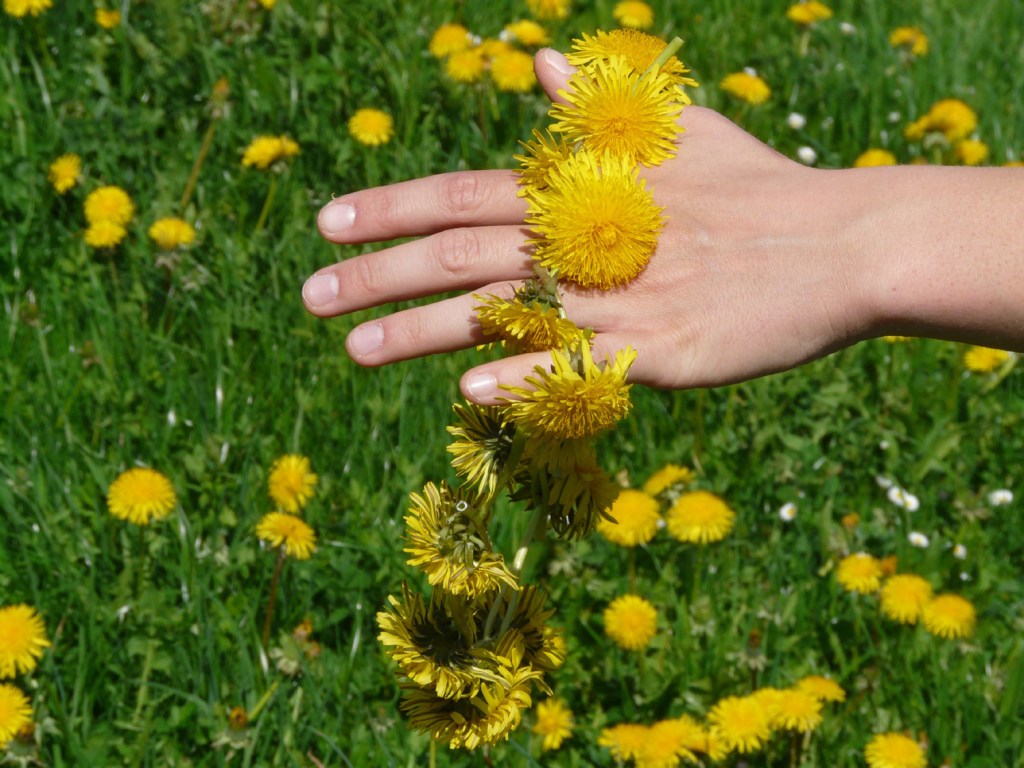
(Image by Hans from Pixabay)
It’s not easy sometimes, but there are plants and herbal teas that help with cholesterol and nonalcoholic fatty liver disease. A review.
Part 1 of an article originally published on April 9, 2023 in The Road to Wellness on Medium
(Here’s Part 2)
High cholesterol and nonalcoholic fatty liver disease are highly associated with a future risk of cardiovascular disease. For that reason, many people start taking statins at 40 these days, or even earlier in some cases, especially if they have a family history of cardiovascular disease and hypercholesterolemia.
A good many people struggle with this so-called “familial hypercholesterolemia,” so it can be the case that whatever they do — healthy food, exercise, weight loss, herbal teas — they won’t be able to lower their cholesterol enough without statins.
I don’t have familial hypercholesterolemia, but I’m in my mid-forties and struggling with high cholesterol, triglycerides, and nonalcoholic fatty liver disease (NAFLD), much of it due to a more sedentary lifestyle I adopted since the pandemic, despite knowing better, and also because of perimenopause. I’m also dealing with low-level stress, and it’s well known that stress raises cholesterol levels.
So last November and December, I finally decided to be more responsible about this aspect of my health and deal with things more holistically. I saw a doctor, and he recommended I do three things: clay, sprouted red rice, and herbal teas for a general and liver detox; natural prebiotic and probiotic foods for better colon health; and a mostly Mediterranean diet. I also exercised more. I’ll talk more about the whole detox in a future piece.
In this article, I’d like to focus on the plants I used in my herbal teas.
Disclaimer: I am not a medical or health practitioner, and no part of This Blog, or the articles, websites, and products I mention and link to on This Blog, is intended as professional medical or health advice, and should not be considered as such. Consult with your doctor(s) about starting any course of treatment, taking any supplements, or changing any (dietary, exercise, etc.) routines. Note that natural supplements and even some foods may interfere with certain medications. Also ask your doctor(s) about potential allergies you may have, including cross-reactive allergies. Some allergens can cause potentially fatal anaphylaxis. Here are my Full Terms and Conditions.
When it comes to plants, the ones most often used for liver health are milk thistle and artichoke. The seeds of milk thistle (Silybum marianum) yield silymarin, and the leaves of artichoke (Cynara scolymus L.), cynarin. These compounds are routinely included in liver supplements.
For herbal teas, there are various other plants that help protect the liver and lower cholesterol. At my doctor’s advice, I used them in infusions or decoctions for a detox period of 6 weeks, which, I was told, I could then repeat up to 4 times a year. I combined them based on aerial parts vs. roots and drank infusions for 3 weeks and decoctions for another 3. At my doctor’s recommendation, I made a one-liter pot and drank from it the whole day long.
For the infusions, I set the water to boil, added all the plant parts after turning off the heat, and let the herbal tea infuse for 15 minutes under a lid.
For the decoctions, I boiled the roots and other plant parts for 5 minutes and let them steep under a lid for another 30 minutes.
Please note that every person is different, and a doctor may choose different plants for you based on an extended blood test and your health profile. Also note that, as always, plants may interact with medications, and concentrated supplements can often do more harm than good.
But if you’re wondering about the plants I used in my herbal teas (and researched), here are some of them. Please note that these herbs may have side effects and/or interfere with medications, partly because they affect the liver and the liver breaks down many medications, or, for instance, because they duplicate the effect of these meds, as is the case with roselle, which lowers high blood pressure, and coupled with a medicine for that, may do so too much. Also note that concentrated supplements can often do more harm than good, sometimes even leading to liver failures, such as green tea supplements, or cancer.
Back to plants for herbal teas, I’m also including here (with an asterisk) plants that are effective in improving liver function and reducing cholesterol but which weren’t included in my detox. There’s a school of thought in nutrition that says during a detox, you should focus on plants common in your area for many generations. Astragalus and ginger, for instance, are recent remedies in my region of Europe. Recent when comparing them to other plants, revered as medicinal herbs here for millennia.
Here they are. Again, I was supposed to use one teaspoon per liter (if not mentioned otherwise) and remember that I separated the plants into two categories, for infusions and decoctions, respectively.
Be extra careful if you decide to use these herbs: do your due diligence and talk with your doctor(s). Plants are not playthings. Some of them can give anaphylactic shocks or kill you by interacting with your medications.
Here’s a list of herbal and dietary supplements from the National Institutes of Health (NIH) in the US, which comments on their health benefits and their liver toxicity. (But, again, remember the side effects and interactions don’t stop there.)
The Herbs
For the infusions
1. Chicory (Chicorium intybus L.), its aerial parts
Note that chicory is a member of the (large) aster (Asteraceae) family, which includes daisies, and it may cause an allergic reaction if you’re allergic to daisies.
While the part of chicory most studied is the root, which has 68% inulin by dry weight, there have been studies on chicory seeds as well, showing how they help with hyperglycemia, hyperlipidemia, insulin resistance, NAFLD, and other conditions. The whole plant was also shown to help with liver health.
See WebMD for some of the side effects of chicory, precautions, interactions, and more.
2. Dandelion (Taraxacum officinale)
Here’s a 2020 study about how dandelion extract improved liver fibrosis in rats (working better than silymarin) and decreased inflammation in their livers, along with lowering two of their hepatic oxidative stress markers, among other health benefits. Note that dandelion is, too, a member of the aster family.
Dandelion has both hypolipidemic and hypoglycemic effects among its health benefits.
Here’s WebMD for some of the side effects of dandelion, precautions, interactions, and more.
3. Melissa a.k.a. lemon balm (Melissa officinalis L.)
Here’s a 2005 study about how lemon balm lowered lipid levels in hyperlipidemic rats, while also improving their liver function.
Lemon balm can cause sleepiness. It also affects the thyroid.
See WebMD for some of the side effects of lemon balm, precautions, interactions, and more.
4. *Roselle (Hibiscus sabdariffa L.)
A 2009 study on rats has shown that extracts of roselle leaves and calyces have antihyperlipidemic and antioxidant effects.
Note that this species of hibiscus is also one of the best natural remedies for high blood pressure, and it interacts with medication for it.
For some reason, it was not on my list of plants for the infusion, but I have been adding it to herbal teas for many years now. Note that a little goes a long way with roselle. Half a teaspoon is more than enough to add its particular kind of flavor to a one-liter pot of tea.
See WebMD for some side effects of Hibiscus sabdariffa, precautions, interactions, and more.
5. *Thyme (Thymus vulgaris)
This study from 2017 shows that thyme has a significant effect in reducing triglycerides and blood pressure in healthy individuals. It also reduces total and LDL cholesterol.
Thyme was not on my list of herbs for this detox, but I have been using it myself for a long time, every now and then.
Note that thyme is a blood thinner, and it may interact with anticoagulants and meds for high blood pressure, among other medications. Thyme is safe for me to use, but I don’t go overboard because it’s a strong herb. I add less than a quarter of a teaspoon to a one-liter pot when I use it in blends.
WebMD gives some of the side effects of thyme, precautions, interactions, and more.
6. *Green tea (Camellia sinensis)—the true tea plant
There are studies showing that green tea can help with liver disease, including liver steatosis, but too much green tea is toxic for the liver and can even lead to liver failure.
I add some green tea to my herbal infusions, but I’m sparing with it. Half a teaspoon is more than enough for me for a liter if I mix it with various herbs. And if I use it by the mug, with an infuser and an added herbal tea sachet for flavor, I use only a third of a spoon. Note that green tea can cause iron-deficiency anemia if consumed in larger quantities.
See WebMD for some of the side effects of green tea, precautions, interactions, and more.
Continued in Part 2
I hope you’ve enjoyed this post. As always, pins and shares are much appreciated!
To a happier, healthier life,
Mira
 HappierHealthier.Blog
Interesting article! It’s great to know that there are natural remedies and herbal teas that can help improve liver health and lower cholesterol. Thanks for sharing!
founder of balance thy life https://balancethylife.com
LikeLike
Thank you!
LikeLike